
Toyota EV Battery Plant: Toyota’s decision to postpone construction of its planned Toyota EV battery plant in southern Japan, reportedly for the second time, grabbed headlines because it runs counter to the “full-speed-ahead” narrative around electrification. But peel the headline back and you find a tangle of market signals, technology choices and strategic trade-offs that explain why the world’s largest automaker is hitting the brakes in Japan while still investing selectively elsewhere.
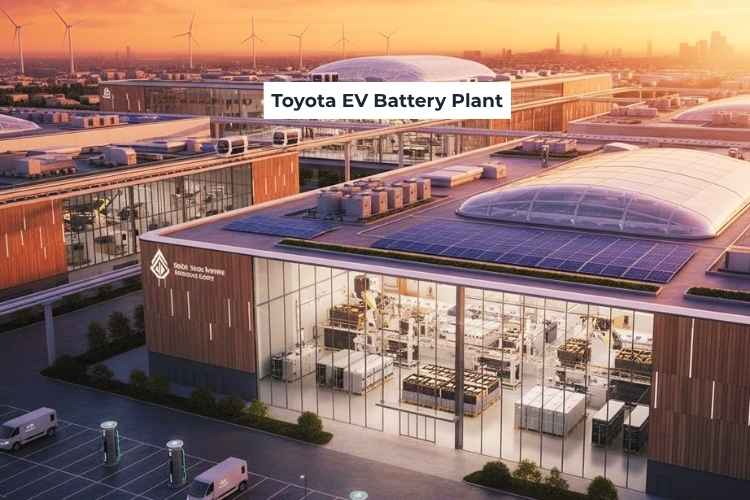
Table of Contents
Toyota EV Battery Plant: What happened
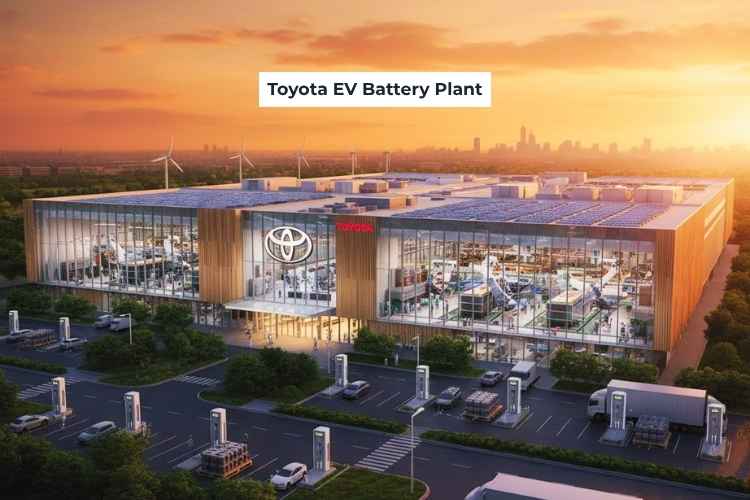
Toyota planned a major battery manufacturing project in Kyushu/Fukuoka as part of its long-term electrification roadmap. Local officials and Nikkei reporting indicated the project’s timeline would be reviewed again after Toyota and regional leaders met; the construction timetable was pushed back, and the agreement finalisation was delayed. Toyota stressed the project is not cancelled but is being reassessed.
This isn’t the first time Toyota has revised EV timelines in recent years — the company has delayed other EV starts and adjusted US production schedules when market signals or technical needs shifted. Reuters and other outlets have documented similar adjustments globally.
Why Toyota paused: Toyota EV Battery Plant
1) Costs: materials, construction and economics
Battery raw materials (nickel, cobalt, lithium) and construction costs have been volatile. Rising input prices and inflation raise the breakeven point for new plants. If materials are pricier or if refining and supply chains remain uncertain, the financial case for a plant is weaker unless volumes are guaranteed. Several reports note these economic headwinds in Toyota’s thinking.
2) Technology prudence: waiting for the “next” battery
Toyota is investing heavily in next-generation batteries (notably solid-state cells) and is cautious about committing huge capacity to current lithium-ion chemistries that may be superseded. If you can delay and then deploy a plant geared to advanced cells, you lock in better performance and longer-term competitiveness. That technology lens influences timing.
3) Supply chain and supplier consolidation pressures in Japan
Smaller Japanese equipment and component suppliers face consolidation pressures. Scaling a domestic battery value chain cost-effectively is a complex exercise; the market is consolidating and competing with lower-cost suppliers abroad. Reports from industry outlets and the FT highlight stress among smaller Japanese players — another factor in Toyota’s risk calculus.
| Driver | Toyota’s concern | Short explanation |
|---|---|---|
| Slower EV demand | Overcapacity risk | Plant capacity may not be used if BEV growth dips. |
| Cost inflation | Returns on investment drop | Higher material & construction costs raise the break-even point. |
| Tech evolution | Avoid locking into older chemistries | Waiting could let Toyota deploy solid-state or improved cells. |
| Regional strategy | Invest where demand is strongest | Shifting resources to the U.S. or other markets with clearer short-term demand. |
| Supplier base | Need for scalable domestic supply | Smaller suppliers in Japan face pressure, complicating local scale-up. |
Conclusion
Toyota’s repeated postponement of its Japanese battery plant is not a simple “anti-EV” pivot. It’s a calculated response to a muddled market: demand has softened in places, costs and supply-chain realities are in flux, and Toyota wants to avoid committing billions to capacity that might be obsolete by the time it comes online. At the same time, Toyota still invests in batteries and EVs — but in a way that matches regional demand and its own technological roadmap (including hopes for solid-state breakthroughs).

Bhakti Rawat is a Founder & Writer of InsureMyCar360.com. This site Provides You with Information Related To the Best Auto Insurance Updates & comparisons. 🔗