
Kia Battery: Electric vehicles promise lower running costs but the battery is the single biggest long-term unknown that can blow up ownership costs if things go wrong. Kia’s move to introduce a full battery passport for its EVs and hybrids is one of the most practical, consumer-friendly answers to that problem. The passport is a digital record that follows a battery from mine to road, and used well, it can shave hundreds to thousands of dollars off ownership by reducing diagnostic expense, avoiding unnecessary replacements, improving resale value, and enabling cheaper, safer repairs and recycling.
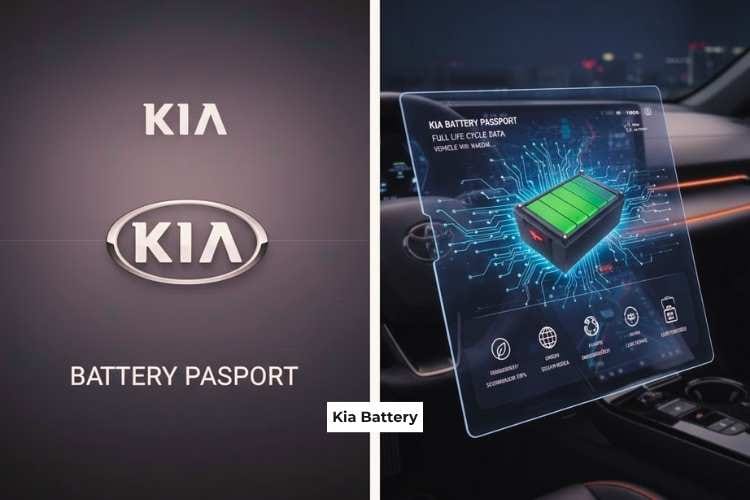
Table of Contents
What is a “Kia Battery” passport?
Think of a battery passport as a digital health and history file for an EV battery. It stores verified data about the cell chemistry, where critical raw materials came from, manufacturing batch and serial numbers, the battery’s carbon footprint and recycled content, plus live technical data from the vehicle’s Battery Management System (BMS) — state of health (SoH), charge cycles, temperature history, and so on.
That digital twin does two big things:
- Transparency for owners and mechanics — you can see whether a battery is healthy and what it’s been through.
- Traceability for regulators and recyclers — it tells recyclers what materials are inside and where they came from, which makes second-life reuse and recycling cheaper and safer.
The EU is already building these requirements into law (the EU Batteries Regulation and the Digital Product Passport framework), so the passport is both a compliance tool and a customer service feature.
Kia Battery: real savings, real reasons to care
| Cost category | Typical cost today (examples) | How passport helps | Estimated saving for owner |
|---|---|---|---|
| Full battery pack replacement | $5,000 – $18,000 (varies by vehicle/pack). | Allows targeted module or BMS repairs instead of full pack swap | Potentially $1,000–$10,000 (pack-dependent) |
| Diagnostic labor & testing | $200 – $1,000+ (complex cases) | Remote/quick verification of SoH, fewer shop hours | $100–$500 per incident |
| Warranty/recall delays (owner out-of-pocket) | Varies — can be thousands if claim denied | Faster, verified claims processing | $500–$3,000 (one-time avoided cost) |
| Resale depreciation due to unknown battery health | Varies — EVs can lose steep value without evidence | Battery passport raises buyer confidence / resale price | $500–$3,000+ on resale (model dependent) |
| Reuse/recycling pre-processing costs (industry benefit)** | N/A to owner directly, but reduces system costs | Better material recovery → lower future replacement costs |
Conclusion
Kia’s battery passport is more than an environmental compliance checkbox. It’s a practical consumer tool that changes the economics of EV ownership: fewer unnecessary replacements, faster warranty handling, higher resale value, and a supply chain that can recycle and reuse batteries more cheaply. For owners, those effects add up to hundreds and sometimes thousands of dollars saved across a vehicle’s life.

Bhakti Rawat is a Founder & Writer of InsureMyCar360.com. This site Provides You with Information Related To the Best Auto Insurance Updates & comparisons. 🔗